
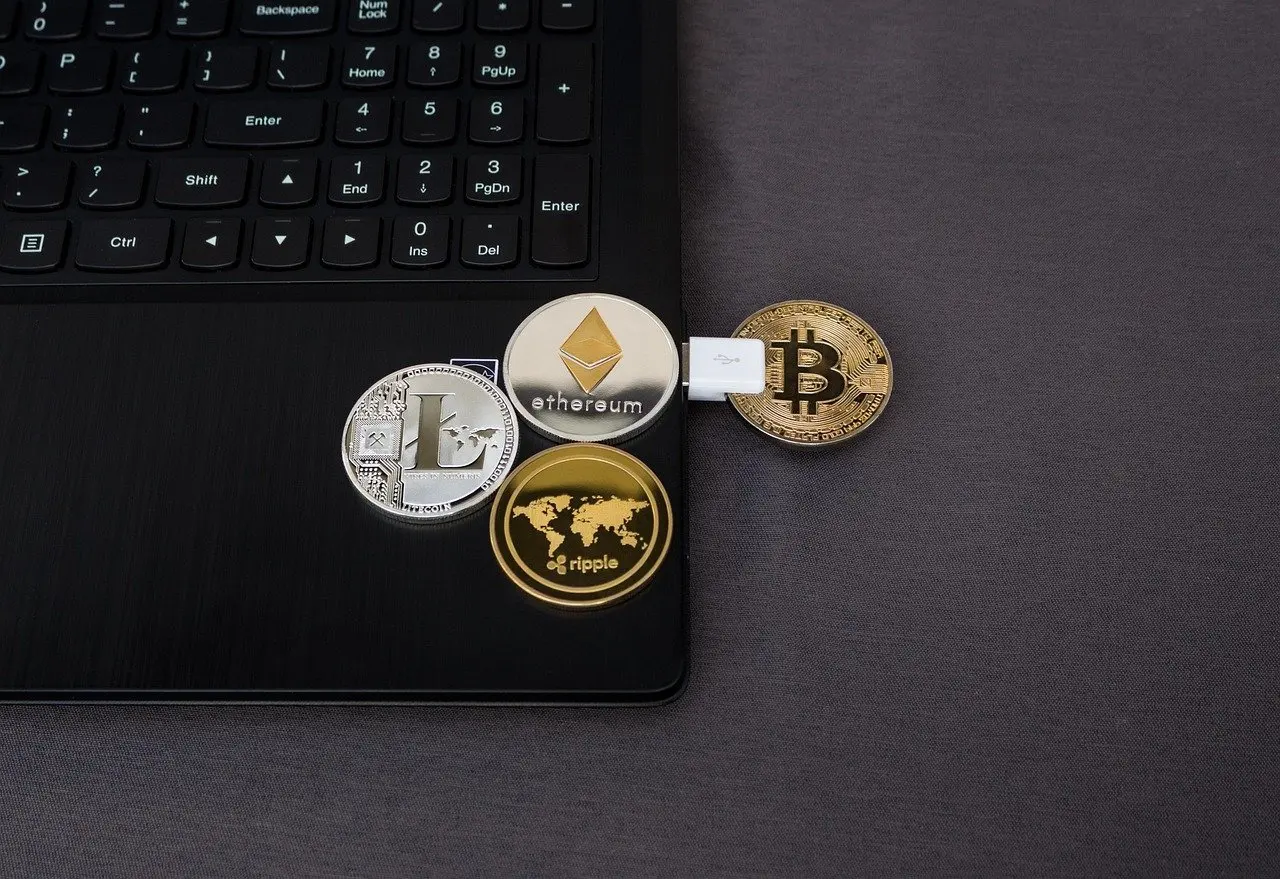
The coin vs token difference comes down to where the asset lives. A coin is the native currency of its own blockchain, while a token is created on an existing chain. A token is usually the lighter route for a community project.
Readers new to the category can start with what is a community coin, then return here to decide how a project should be built.
Coin and token side by side
| Criterion | Coin | Token | Planning use |
|---|---|---|---|
| Where it lives | Native currency of a specific blockchain | Created on a pre-existing blockchain platform | Decides whether the project must run or build a network at all. |
| Typical role | Medium of exchange, store of value, sometimes unit of account | Represents an asset or utility within a specific ecosystem, such as dApps or smart contracts | Match the role to the community’s actual need: payments, access or membership-style utility. |
| Examples | Bitcoin on its own blockchain; Ether on Ethereum | DAI and USDC, ERC-20 tokens on Ethereum | Shows that Ethereum hosts both a native coin and tokens built on top of it. |
| Standards | Defined by the chain’s own design | Predefined standards: ERC-20 for fungible tokens, ERC-721 for non-fungible tokens | A token project can follow an existing specification rather than invent one. |
| Launch effort | Involves creating a whole new blockchain, possibly with a unique consensus mechanism | Generally less resource-intensive than creating a coin | Budget and technical capacity usually favour a token for small teams. |
These comparisons follow the definitions in the Coinspaid knowledge base.
What a native coin is
A coin is the original currency of a specific blockchain, and the term native coin in crypto means exactly that: the currency the chain itself is built around. Coins typically serve three main purposes: a medium of exchange, a store of value and, in some cases, a unit of account, according to Coinspaid. Bitcoin on its own blockchain and Ether on the Ethereum network are the standard examples.
For a community project, the practical meaning is ownership of a network. Choosing a coin is not just choosing an asset. It is choosing to stand behind a chain, which is a much larger commitment than issuing something that rides on a chain someone else already runs.
What an ERC-20 token is
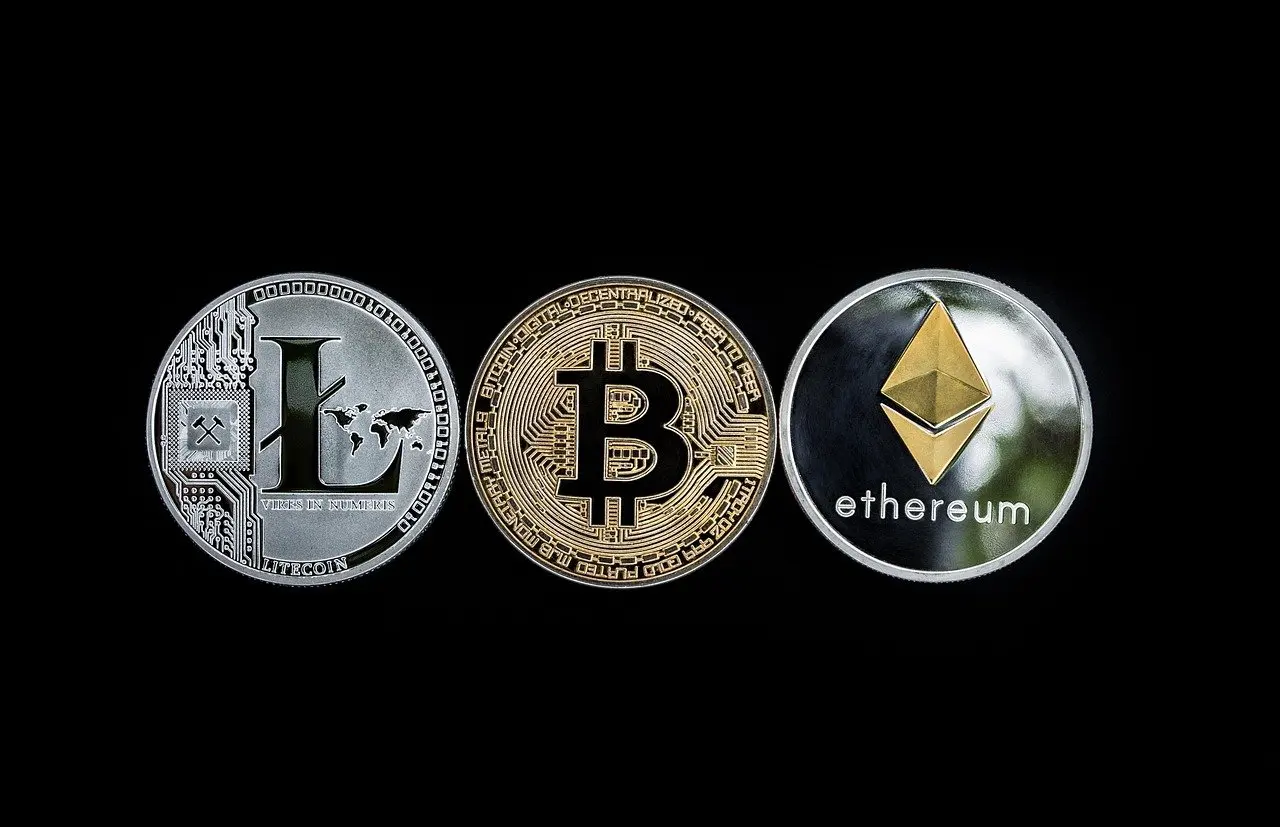
An ERC-20 token is a fungible token created on Ethereum under a predefined standard rather than a currency native to the chain. Coinspaid names ERC-20 for fungible tokens and ERC-721 for non-fungible tokens, and lists DAI and USDC as ERC-20 tokens built on the Ethereum blockchain rather than as its native currency.
Where the standard comes from
An Ethereum Improvement Proposal (EIP) is a formal suggestion for changes or updates to the Ethereum network, as Coinbase’s explainer puts it. An ERC, or Ethereum Request for Comments, outlines the rules and specifications developers must follow when creating new tokens, libraries or smart contracts, and ERC is a subcategory of EIP.
Why that matters for a community
Because the rules are published, a community token follows a known specification. That is the central trade-off against a coin: the team writes and deploys a smart contract that follows the standard, instead of designing a chain. Tokens are typically used within specific ecosystems, for example decentralised applications or smart contracts, so the token’s usefulness depends on what the community builds around it.
When a token on an existing chain is enough
A token is enough when the project needs a shared unit inside a community and has no requirement to change how the underlying network works. Coinspaid describes token creation as generally less resource-intensive than coin creation, which makes it the sensible default for volunteer-led or small-budget groups.

- Utility inside a defined ecosystem. If the asset represents access, a benefit or a unit used within a specific application, the token role fits directly.
- Limited technical capacity. A team that can write and review a smart contract but cannot maintain a network should not take on a chain.
- Standard behaviour is acceptable. If ERC-20 behaviour for a fungible asset covers the use case, there is no reason to build something custom.
- Testing an idea. A lighter launch lets a community learn whether members actually use the asset before it commits to heavier infrastructure.
The condition is that the project accepts living on someone else’s chain. The token depends on that blockchain existing and functioning, which is part of the definition: tokens are digital assets created on pre-existing blockchain platforms.

When a project needs its own blockchain
A project needs its own blockchain when the asset must be the native currency of a network the community controls. Establishing a new coin involves creating a whole new blockchain, and Coinspaid notes that it might require developing a unique consensus mechanism.
That is a design and operations commitment, not a branding decision. The question to ask is whether the community has a requirement a token on an existing chain cannot meet, such as its own rules for how the network agrees on its state. If the answer is only that a coin sounds more independent, a token is the better fit.
Signs a separate chain is justified
- The currency is the point. The community wants a native medium of exchange and store of value that belongs to its own network.
- Consensus is part of the design. If the project’s identity depends on how participants secure and validate the chain, a unique consensus mechanism may be unavoidable.
- The team can sustain it. A chain needs ongoing work from people who understand it, beyond the initial launch.
Projects in that position can read how do community coins work to see how a chain-level community asset operates. Those weighing participant incentives at network level can compare masternode vs staking before deciding.

Which is cheaper and faster to launch
A token is the cheaper route in resources, because creating tokens is generally less resource-intensive than creating coins. A coin means building a whole blockchain, with a possible unique consensus mechanism on top, while a token uses an existing platform and published standards such as ERC-20.
The comparison is about effort and resources, and it should not be read as a promise of specific costs or timelines. What the supported facts show is the direction: a token avoids the largest piece of work, which is the chain itself. A community choosing between the two should weigh that saving against the independence a native coin provides.
Altcoin labels and legal checks
Labels such as altcoin do not settle the choice. What matters in practice is whether the asset runs on its own blockchain, which makes it a coin, or on an existing one, which makes it a token. A project described loosely as an altcoin could be either, so check the architecture rather than the name.
Legal status also varies by location. Coinspaid advises checking local laws before conducting any crypto activity, and a community planning to issue an asset to members should treat that as a first step, whichever route it takes.
Frequently asked questions
What is the difference between a coin and a token?
A coin is the original, native currency of a specific blockchain. A token is a digital asset created on a pre-existing blockchain platform and often represents an asset or utility within a specific ecosystem.
What is an ERC-20 token?
It is a fungible token built on Ethereum under the ERC-20 standard. ERCs are a subcategory of Ethereum Improvement Proposals and set out rules for creating tokens and smart contracts. DAI and USDC are examples.
Is Ether a coin or a token?
Ether is the native coin of the Ethereum network. Tokens such as DAI and USDC are built on that blockchain and are not its native currency.
Does a community project need a new chain to have its own currency?
Not necessarily. A token on an existing chain can serve as the community’s unit. A new chain is needed only if the asset must be the native coin of a network the community builds, which also means building a whole new blockchain.
Do legal rules differ for coins and tokens?
Legal status varies by location, so local laws should be checked before any crypto activity, whichever form the asset takes.