
A spare GPU and a wallet address are enough to start learning how to mine Ethersocial, but electricity cost decides whether it is worth continuing. Treat the setup as a cheap test, not a commitment.
Quick answer: create a wallet address, install an Ethash-capable miner such as Ethminer, point it at a pool or node, and watch your hash rate. Then compare your power draw with a calculator’s estimated revenue. Keep mining only if revenue clearly beats the electricity bill. Background on the network is on the ethersocial coin page.
What proof of work asks of your hardware
Ethersocial mining is proof of work. In that model, the user who completes a computational task first signs the block and earns the reward, as Cryptonews explains for Ethereum-style mining. Your rig competes in a race, and only the winner of each race is paid.
That race has two practical consequences. Faster hardware wins more often, and hardware that runs all day costs money whether or not it wins. Both facts shape every decision below. If you want the consensus details behind the race, the ethersocial algorithm page covers them in depth.
Before spending anything, decide what you want from the exercise:
- Learning and testing. One GPU you already own is plenty. Costs stay small and you see how the software behaves.
- Supporting the community chain. Even a modest rig adds work to the network. Expect that to be a motive other than profit.
- Earning income. This needs the profitability check later in this guide to come out clearly positive. Do not buy hardware before it does.
Create the payout address first
The simplest intervention is also the one people skip: set up the wallet that will receive rewards before touching mining software. The miner needs a destination address from its first launch, and a typo here sends rewards somewhere you cannot recover them from.
- Install a wallet that supports Ethereum-based coins and create a new account.
- Copy the public address using the wallet’s copy button rather than retyping it.
- Paste it into a plain text file, then compare the start and end of the address against the wallet screen.
- Back up the recovery phrase offline. Never paste it into mining software or a pool site.

Install the mining software
The guide Cryptonews published tells readers to install the Ethminer program or another miner of their choice. Ethminer is a sensible default because it is a well-known open-source Ethash miner, and it keeps the first run simple. Any alternative should state Ethash support in its own documentation.
Settings that matter
Whichever miner you pick, a working Ethash configuration comes down to a short list of inputs:
- Server endpoint. The pool or node address and port that supply work. Copy them exactly from the pool’s setup page.
- Payout address. The wallet address from the previous step, often combined with a worker name.
- Device selection. Which GPU or GPUs the miner should use. Start with a single card.
Leave clock speeds and power limits at their defaults on the first run. A stable baseline is more useful than a tweaked, crashing one, and you can only judge a tweak against a baseline you recorded.
Checkpoint: is it working?
After launch, the terminal should report a hash rate and accepted work. A steady hash rate with no errors means the setup is sound. If the miner prints connection errors, recheck the endpoint spelling. If it shows a hash rate but no accepted work, recheck the payout address format. If it crashes on start, update the GPU driver before changing anything else.
Pool or solo
Because only the first finisher of each task is rewarded, a lone small rig can wait a long time between wins. A pool is the usual answer for small hardware, because it lets you see steady activity on a dashboard instead of waiting on a single lucky block.
Solo mining suits someone who wants to test a node setup, not someone who wants predictable income. When comparing pools, check the following:
- The pool explicitly lists Ethersocial and shows recent activity on its statistics page.
- Its fee and payout threshold are stated clearly.
- Its dashboard shows your worker and reported hash rate soon after you connect.
Confirm network activity separately on a block explorer before committing hardware. A quiet chain or a pool with no recent blocks is a reason to wait.
Measure power and run the profitability check
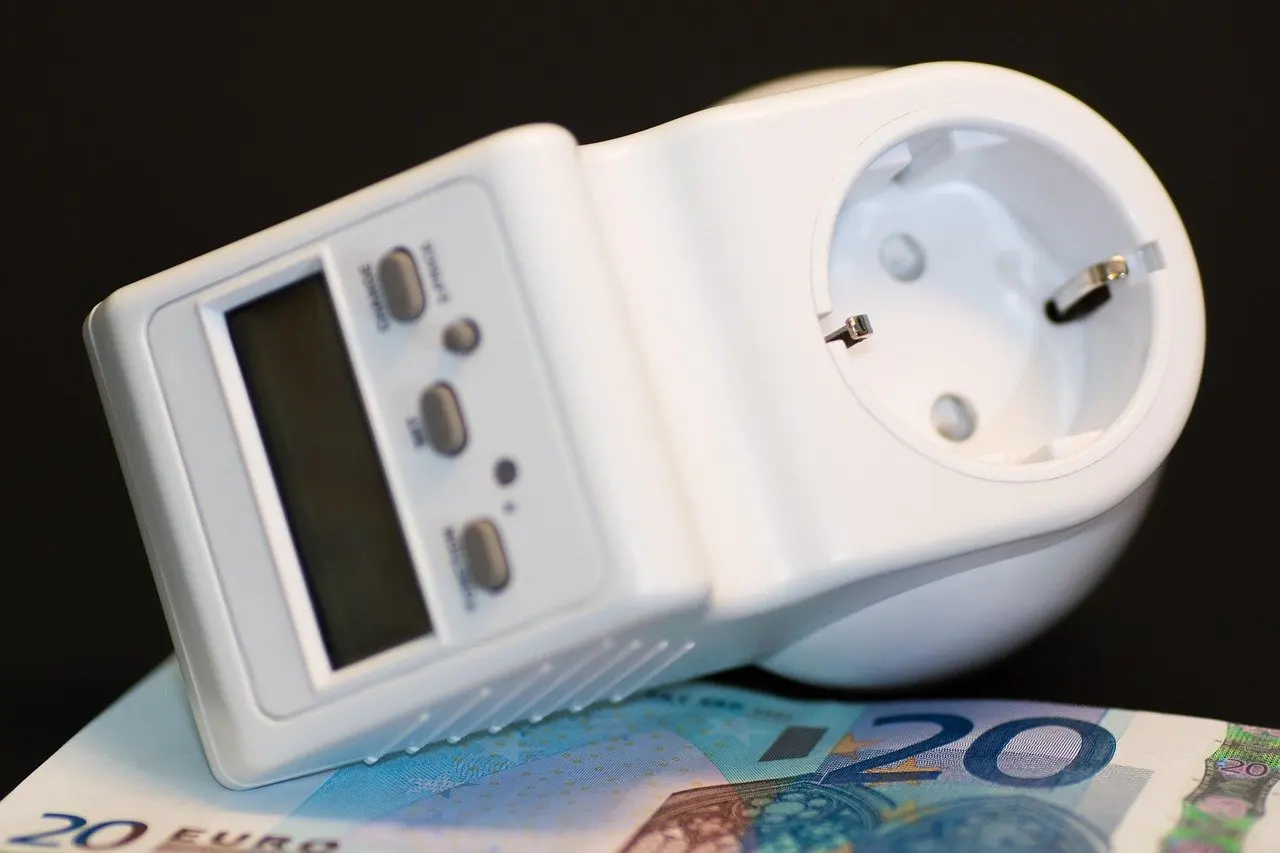
Profitability depends on hash rate and the cost of electricity, according to the same Cryptonews guide. Hash rate comes from your miner’s output. Electricity cost needs a measurement of your own, and a plug-in power meter is the most direct way to get it.
The worked check, in order
- Plug the rig into a power meter and let it run under full mining load before reading the wattage.
- Find your electricity price per kilowatt-hour on your latest bill.
- Convert wattage into energy used per day by multiplying the draw by the hours the rig runs, then multiply by your price. That gives your daily electricity cost.
- Enter your measured hash rate into an online profitability calculator. The Cryptonews guide recommends using calculators to work out the final result.
- Subtract your daily electricity cost from the calculator’s estimated revenue.
Reading the result
A positive figure is only a snapshot, because both coin price and network difficulty change. Treat a thin margin as a loss in waiting, since a modest price dip or a rise in competing hash rate can erase it. A comfortable margin justifies keeping the rig on. A negative one means the honest answer to whether mining Ethersocial pays after electricity costs is no, for that hardware and that tariff.
Cheap power is the main thing that can change this answer. Rigs on a high tariff rarely pass the check, and a home setup on ordinary rates should expect a narrow result at best.
Scaling up, and when to stop
Escalate only when the check passes. Add a second card only after the first has shown a positive margin over several days of tracking, and rerun the power measurement after each addition. A larger rig multiplies profit and loss alike.
Stop, or at least pause, in these situations:
- The margin turns negative. Recalculate with a fresh hash rate and your current tariff. If it stays negative, switch the rig off.
- Heat or noise becomes a problem. Hardware stress that shortens card life is an extra cost that no calculator includes.
- Pool or network activity dries up. Without regular blocks there is nothing for the rig to win.
Stopping is a legitimate result. A short, careful test that ends in a clear no is cheaper than months of mining at a loss. For the wider history of how the network has developed, the ethersocial 2019 report gives useful context before you decide how much effort the project deserves.
Frequently asked questions
Do I need a wallet before I start mining?
Yes. The miner needs a payout address at launch, so create and verify the wallet first.
Can a calculator tell me if mining will be profitable?
A calculator gives an estimate from your hash rate and network conditions. Combine it with your own metered power cost, and recheck it regularly because inputs change.
Who earns the block reward in proof of work?
The user who completes the computational task first signs the block and earns the reward.
Is Ethminer the only software option?
No. The Cryptonews guide names Ethminer and also allows another miner of your choice, provided it supports the same algorithm.